
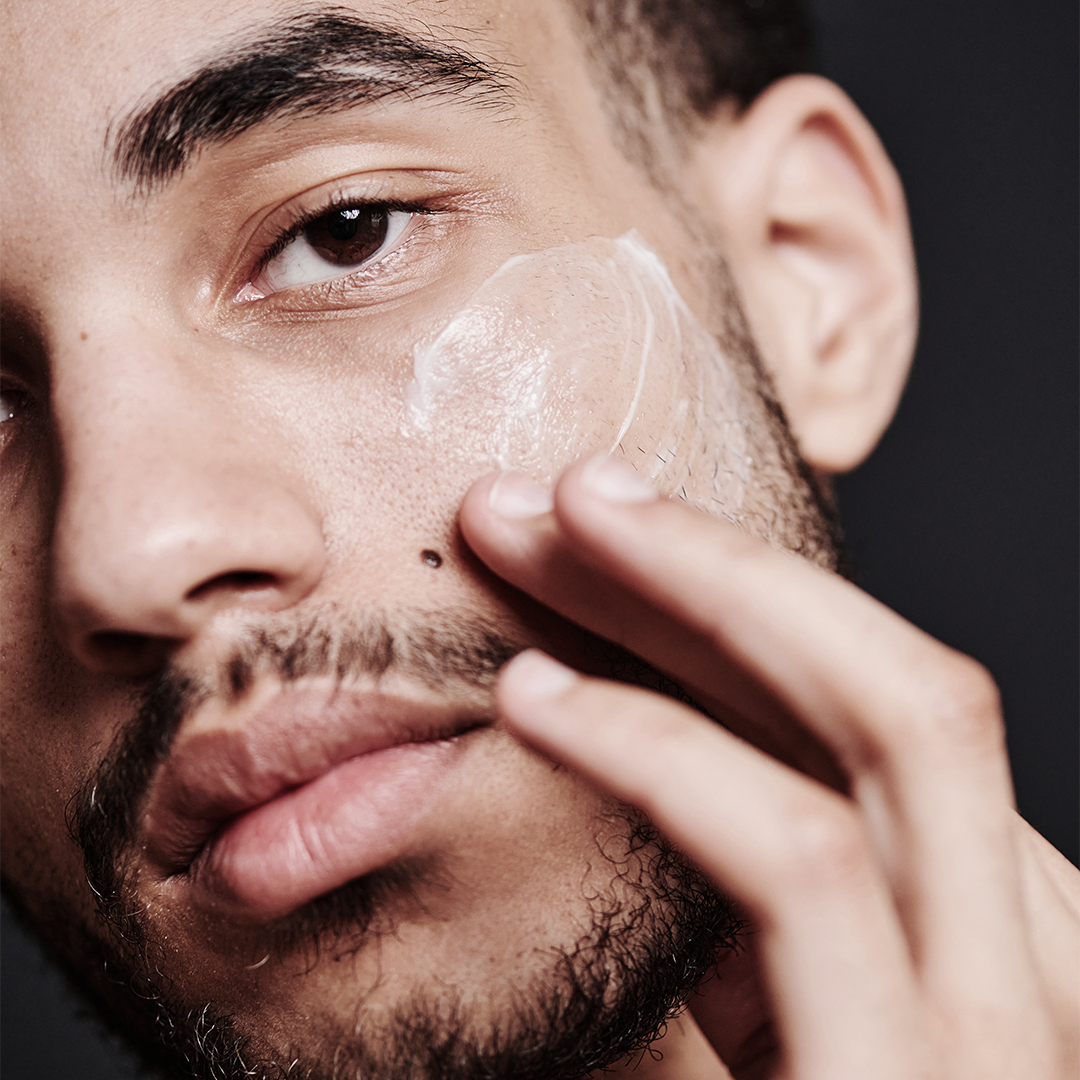
From stereotype to awareness – the new generation of men and their approach to skincare
Until recently, cosmetic shelves were an almost exclusively female space. A man in a drugstore felt like an intruder, and his skincare routine was limited to a ‘3-in-1’ shower gel and an aftershave cream, most often borrowed from his father. Facial care, face masks, or serums fell into the ‘unmanly’ category, and merely taking an interest in one’s appearance raised questions about identity, taste, and character. However, these boundaries are breaking down, making way for a new phenomenon: a man who isn’t ashamed to take care of his skin, and skincare ceases to be a sign of weakness, becoming a conscious choice.
A taboo that lasted for centuries
The history of men’s skincare is a paradox. In antiquity, the Egyptians used oils and balms, the Greeks rubbed olive oil onto their bodies, and Roman patricians eagerly indulged in baths and fragrances. It was only centuries later, under the influence of Christian culture and strict social norms, that caring for one’s appearance was pushed to the sidelines. A man was expected to be practical, strong, and insensitive. In the 19th century, hygiene became an obligation, but aesthetic care still raised doubts. The 20th century entrenched this divide: a woman was supposed to be beautiful, a man fit and capable. It wasn’t until the late 1990s that a breath of change arrived. The phenomenon of ‘metrosexuality’ emerged, symbolized by David Beckham—an athlete who showcased his football skills with the same confidence as his manicure and face creams. It was a revolution, but also somewhat extreme: a man caring for his appearance seemed like an exotic exception, not an everyday norm.
A generation that knows no shame
Millennials and Gen Z, raised in the era of Instagram and TikTok, have dismantled some taboos almost naturally. Self-care—taking care of the body, mind, diet, and skin—fits into a broader wellbeing philosophy where masculinity is no obstacle. The data speaks for itself: according to a report by Allied Market Research, the global men’s skincare market was valued at over $80 billion in 2022 and is projected to reach over $135 billion by 2030. Europe accounts for about a quarter of this market. In Poland, the men’s skincare segment is growing by several percent annually—faster than the market for women’s cosmetics.
This is not a passing trend, but a lasting cultural shift. The 21st-century man no longer wants to define himself by detaching from body care. He wants to feel well-groomed, fresh, and attractive—not because society demands it, but because it gives him confidence.
Simplicity over complexity
Interestingly, men looking for skincare approach it differently than women. Mintel research shows that men are more brand-loyal and experiment less often. Once they find a product that works, they stay faithful to it. At the same time, they dislike overly complicated routines. They prefer simple solutions: a maximum of three steps, ideally multifunctional products that don’t require an instruction manual. In this sense, skinimalism—the trend of paring skincare down to a few essential products—fits the male approach to skin care perfectly. Minimum steps, maximum results. No fuss, no hours spent in front of the mirror. It is simplicity that provides a sense of control and effectiveness.
Breaking stereotypes
Although barriers are slowly fading, some men still view skincare as something “not for them”. Many admit that they used their first creams or toners in secret – most often borrowing them from their partners. Studies conducted by Euromonitor show that 40% of men aged 25–40 use cosmetics originally purchased by the women in their lives. It is symptomatic: men’s skincare has long remained a “borrowed” phenomenon.
This makes brands that move beyond gender divides all the more significant. Gender-free beauty is not just a marketing strategy, but a genuine solution to shame and pigeonholing. Neutral, aesthetic, minimalist products – not “for women” or “for men”, but simply for people – allow men to enjoy skincare without feeling like they are breaking a norm.
The conscious male consumer
A new generation of men is increasingly paying attention to ingredient quality, transparency, and brand responsibility. This is the result of growing awareness, driven by online education, social media, and influencers who showcase routines without taboo. According to research, as many as 52% of men declare they want to better understand what they apply to their skin, and 44% express a willingness to pay more for dermatologically tested and eco-friendly cosmetics.
This is the moment where the market meets culture. Skincare ceases to be merely an aesthetic practice and becomes part of a modern definition of masculinity – one that combines strength with care, and agency with self-awareness.
ONE: simplicity and inclusivity
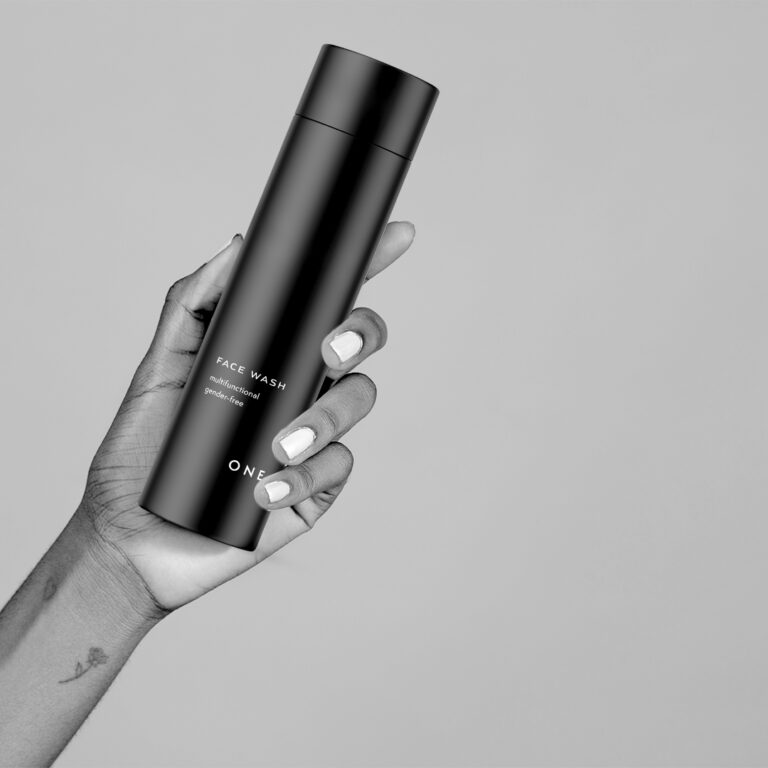
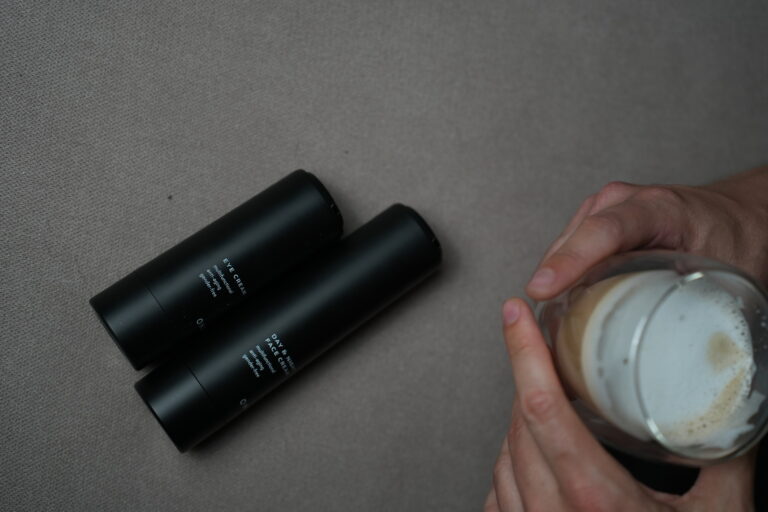
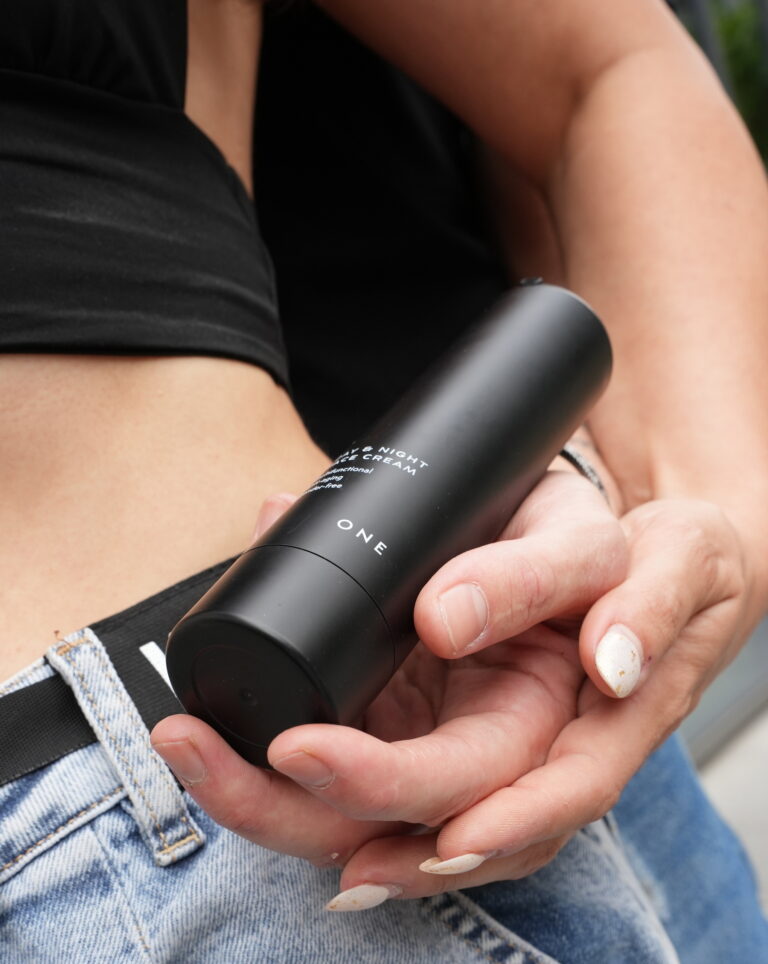
The ONE brand originates from precisely this place. A concise product line — cleansing foam, toner, face cream, eye cream, and for other more demanding zones — meets the male need for simplicity and effectiveness. The formulas are multifunctional, and the ingredients are transparent. It is skincare that can be used without instructions, yet with the feeling that you are choosing quality. The minimalist, black, designer packaging appeals to the aesthetic sensibilities of men who do not want pink jars or shelves divided into ‘for him’ and ‘for her’.
The strength lies precisely in this subtlety. ONE products do not exclude, nor do they impose. As a result, a man can reach for them without embarrassment, treating them as part of daily life rather than a style statement.
A new definition of masculinity, a new approach to skincare
When looking at this process from a broader perspective, it is easy to see that skincare is becoming a barometer of cultural change. Where rigid norms once prevailed, today there is room for individuality. A man does not forgo skincare to prove strength; on the contrary, he chooses it because it speaks to the strength of awareness and independence.
This is precisely what is most intriguing about the men’s skincare revolution: it is not about creams, but about redefining masculinity. Skincare is becoming a language through which a new generation of men speak about themselves calmly, without shame, and without labels. And brands that can understand this language become part of a cultural shift.